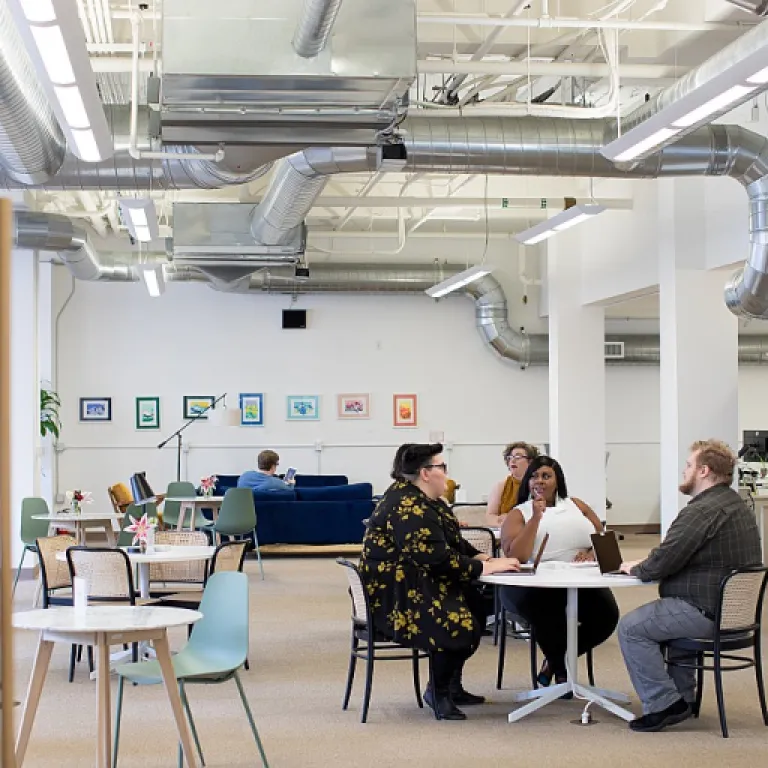
Understanding the purpose of an HR meeting
Clarifying Why HR Meetings Matter
Every meeting in human resources should have a clear purpose. Whether it’s about performance management, employee development, or reviewing training needs, understanding the purpose meeting is the first step to making the time productive. Meetings can range from regular check ins to performance evaluations, exit interviews, or discussions about areas improvement. Each type of meeting serves a unique role in supporting employee engagement and company growth.
For a chief human resources officer, setting the meeting purpose helps align team members and ensures that action items are clear. This clarity not only saves time but also helps employees see the value in participating. When meetings are focused, they provide a platform for feedback, performance review, and professional development. They also help identify opportunities for training development and improvement in the workplace.
- Performance review: Assess employee performance and set goals for improvement.
- Employee engagement: Foster a positive work environment and encourage open communication.
- Training and development: Identify skill gaps and plan for employee growth.
- Conflict resolution: Address issues promptly to maintain a healthy workplace.
- Action plan: Define next steps and assign responsibilities to drive accountability.
Ultimately, the best meetings are those that help employees understand expectations, provide constructive feedback, and support ongoing development. By focusing on the purpose, HR leaders can make every meeting count and contribute to the overall success of the company. For more on how professionalism in HR shapes effective leadership, check out this in-depth resource.
Preparing for an HR meeting: key skills and strategies
Building a Solid Foundation Before the Meeting
Effective HR meetings start long before anyone enters the room. Preparation is key to ensuring that every meeting has a clear purpose and delivers value to both the company and its employees. As a chief human resources officer, your ability to set the stage for productive discussions will help drive employee engagement, performance management, and professional development across the workplace.
- Clarify the meeting purpose: Define the goals and expected outcomes. Is this a performance review, a check-in on employee development, or a session to discuss areas for improvement? A clear agenda helps team members understand what to expect and how to contribute.
- Gather relevant data: Review performance evaluations, feedback, and recent action items. Having up-to-date information on employee performance and training development ensures discussions are grounded in facts, not assumptions.
- Set expectations: Communicate the agenda and objectives in advance. This gives employees time to prepare, reflect on their own performance, and bring forward topics for discussion, such as training needs or growth opportunities.
- Choose the right tools: Leverage a meeting assistant or digital platforms to organize documents, track action plans, and schedule follow-ups. Technology can streamline the process and make it easier to provide feedback and monitor progress over time.
- Plan for inclusivity: Consider the diverse perspectives within your team. Make sure everyone has a chance to participate, whether the meeting is about performance management, exit interviews, or employee development.
Preparation also means being ready to address sensitive topics, such as conflict resolution or areas for improvement. By reviewing past check-ins and performance management records, you can anticipate potential challenges and guide the conversation toward constructive outcomes. For more insights on how professionalism in HR shapes effective leadership, you can explore this resource.
Ultimately, the best HR meetings are those where every participant feels heard, clear action items are defined, and the company’s goals align with employee growth and development. Investing time in preparation will help you lead meetings that drive real improvement and foster a culture of continuous learning in the workplace.
Facilitating open and inclusive discussions
Creating a Safe Space for Employee Voices
Leading effective HR meetings means more than just following an agenda. It’s about ensuring every employee feels heard and valued. When employees trust that their feedback and concerns will be respected, engagement and performance improve across the company. Start by clarifying the meeting purpose and encouraging team members to share their perspectives. This helps identify areas for improvement and supports ongoing employee development.
Encouraging Participation and Honest Feedback
Open discussions are essential for performance management and growth. Invite employees to contribute during meetings by asking open-ended questions and providing time for everyone to speak. Use regular check-ins and performance reviews as opportunities to gather feedback and discuss professional development goals. This approach not only supports training development but also helps align individual goals with company objectives.
- Set clear expectations for participation at the start of each meeting
- Use a meeting assistant or digital tools to capture action items and ensure follow-up
- Provide constructive feedback and recognize employee achievements to foster a positive workplace
Addressing Sensitive Topics with Empathy
Sometimes, HR meetings involve difficult conversations, such as performance evaluations, conflict resolution, or exit interviews. Approach these topics with empathy and confidentiality. Offer support and resources for employee development, and create an action plan for improvement when needed. This not only helps employees grow but also strengthens trust in the human resources function.
Leveraging technology can further enhance inclusivity and engagement. For insights on how leading ASO solutions in HR empower chief human resources officers to run more effective meetings, check out this resource on HR meeting empowerment.
Navigating difficult conversations and conflict resolution
Approaching Sensitive Topics with Confidence
In every HR meeting, there will be moments when difficult conversations arise. Whether it’s about employee performance, areas for improvement, or feedback following a performance review, the chief human resources officer must be prepared to address these topics with empathy and clarity. The goal is to help employees understand expectations and support their professional development, while also ensuring that company standards are upheld.
- Active listening: Give team members space to express their perspectives. This builds trust and encourages open communication, which is essential for effective conflict resolution.
- Clear communication: Be direct but respectful when discussing sensitive issues. Avoid jargon and focus on the facts, linking feedback to specific goals or action items from previous check ins or performance evaluations.
- Solution-oriented mindset: Guide the conversation toward improvement and growth. Offer training development opportunities or an action plan to address areas improvement, rather than focusing solely on what went wrong.
- Timely intervention: Address issues as soon as they arise. Waiting too long can lead to misunderstandings and negatively impact employee engagement and workplace morale.
Turning Conflict into Growth Opportunities
Conflict is inevitable in any workplace, but how it’s managed can make all the difference. Effective HR meetings provide a structured environment for addressing disagreements and finding common ground. Use the meeting purpose as a guide to keep discussions focused and productive.
Consider these best practices:
- Set ground rules for respectful dialogue at the start of the meeting.
- Encourage employees to share their views, but remind everyone of the company’s values and performance management standards.
- Document key points and action items to ensure accountability and follow-up after the meeting.
- When appropriate, provide additional support such as training or employee development resources to help resolve ongoing issues.
Supporting Lasting Improvement
After navigating a difficult conversation, it’s important to provide ongoing support. Schedule regular check ins to review progress on agreed-upon action plans. Use these opportunities to offer constructive feedback, recognize improvement, and adjust goals as needed. This approach not only helps employees grow but also strengthens the overall performance of the team and the company.
Remember, the chief human resources officer sets the tone for how challenges are handled in HR meetings. By fostering a culture of open communication, accountability, and continuous improvement, you help create a workplace where employees feel valued and empowered to do their best work.
Driving decision-making and accountability
Turning Discussions into Action
Effective HR meetings are not just about talking—they are about making decisions and ensuring follow-through. As a chief human resources officer, your role is to help the team move from conversation to concrete outcomes. This means every meeting should end with clear action items, assigned responsibilities, and timelines for completion.- Clarify the meeting purpose: Before closing, restate the goals and what the company aims to achieve. This helps everyone stay focused on the bigger picture and aligns the team’s efforts with organizational objectives.
- Assign action items: Clearly outline who is responsible for each task. Whether it’s a performance review, employee development plan, or workplace training, make sure every action has an owner.
- Set deadlines: Specify when each action item should be completed. This keeps momentum and ensures accountability among team members.
- Document decisions: Use a meeting assistant or digital tool to record key decisions, action plans, and areas for improvement. This documentation supports performance management and helps track progress over time.
- Schedule check-ins: Plan regular follow-ups to review progress on action items, provide feedback, and address any roadblocks. These check-ins are vital for employee engagement and continuous improvement.
Encouraging Accountability and Growth
Driving accountability is not just about tracking tasks—it’s about fostering a culture of ownership and professional development. Encourage employees to take initiative in their own growth, whether through training development, performance evaluations, or seeking feedback. When employees see that their contributions matter, engagement and performance improve across the workplace. A structured approach to meetings, with a focus on action and accountability, will help your HR team deliver the best results for the company. It also supports ongoing employee development, ensuring that every meeting is a step toward organizational and individual growth.| Action Item | Responsible | Deadline | Check-In Date |
|---|---|---|---|
| Performance review process update | HR Manager | 2 weeks | Next monthly meeting |
| Employee training development plan | Learning & Development Lead | 1 month | Quarterly review |
| Exit interviews analysis | HR Analyst | 3 weeks | Next team check-in |
By consistently applying these strategies, you will help your team turn meetings into engines for improvement, growth, and lasting impact in the workplace. This approach not only supports performance management but also builds trust and accountability among employees.
Leveraging technology to enhance HR meetings
Integrating Digital Tools for Productive HR Meetings
Leveraging technology is now essential for chief human resources officers who want to run effective meetings and drive employee engagement. Digital solutions can help streamline every aspect of the meeting process, from preparation to follow-up, and support ongoing performance management and employee development.
- Meeting assistants and scheduling platforms simplify organizing regular check ins, performance reviews, and training development sessions, saving valuable time for both HR leaders and team members.
- Collaboration tools provide a shared space for employees to contribute to meeting agendas, clarify the meeting purpose, and track action items. This transparency helps ensure everyone is aligned with company goals and areas for improvement.
- Performance management systems allow for real-time feedback, documentation of professional development progress, and easy access to employee performance evaluations. This supports continuous improvement and helps identify opportunities for growth and training.
- Video conferencing platforms with integrated features, such as live polls or Q&A, foster inclusive discussions and help all employees participate, regardless of their location in the workplace.
- Automated follow-up tools can send reminders about action plans, track completion of tasks, and provide analytics on meeting effectiveness, supporting accountability and ongoing improvement.
By thoughtfully integrating these technologies, human resources leaders can create a more engaging, productive, and data-driven meeting culture. This not only enhances employee development but also aligns HR efforts with the best interests of the company and its people. The right digital tools will help you provide timely feedback, support training and development, and ensure that every meeting has a clear purpose and measurable outcomes.
